



decor

Diseases and Treatments

Regular monitoring, accurate assessment, and keeping families informed are crucial to children’s healthy growth and development. We offer a personalized approach tailored to each child’s needs in areas such as newborn follow-up, vaccinations, childhood check-up services, nutritional counseling, and allergy and immunity testing.

About

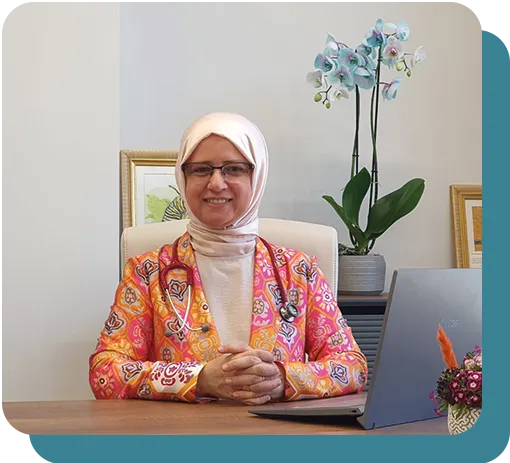
I began working as a resident in Pediatrics in 1998. Since then, working with children has always been a source of joy for me. Over the years, the ever-accelerating pace of learning and development in this journey has motivated us to continually improve ourselves. Now, as we move forward on this journey better equipped through collaboration with different disciplines, let us join you, our valued families, in guiding the precious children entrusted to our care…

Başlıksız-1_2026
decor

Videos

How Does the Process Work?

Every step in the child healthcare journey is planned with the child’s needs and the family’s expectations in mind. From before the examination through the follow-up process, open communication is maintained with families, ensuring a thoughtful approach to children’s healthy development.
1. Step
arrow
Appointment and Initial Contact
Families schedule an appointment for their child’s complaint, need for a check-up, or follow-up process. At this stage, basic information about the child’s age, current condition, and reason for the visit is collected, and the examination process is planned.
2. Step
arrow
Preliminary Assessment
Before the examination, the child’s developmental progress, dietary habits, vaccination history, and current complaints are assessed. This allows the child’s health to be addressed from a more holistic perspective.
3. Step
arrow
Examination and Treatment Plan
A detailed examination appropriate to the child’s age and needs is carried out. When deemed necessary, the family is informed about any tests, follow-up, or treatment plan. Clear and reassuring information is provided at every step.
4. Step
arrow
Tracking and Family Information
After the examination, the child’s development and treatment process are monitored regularly. Families are informed about the points they should pay attention to, and follow-up appointments are scheduled when needed.

Comments

PERFECT
Based on 36 reviews.
google

Frequently Asked Questions

In this section, you can find brief and easy-to-understand answers to the most frequently asked questions about children’s health. It includes general information on newborn follow-up, vaccinations, nutrition, allergies, and childhood illnesses.
How often should pediatric check-ups be done?
Pediatric check-ups should be scheduled based on the child's age and health status. While more frequent monitoring is required during the neonatal period, regular check-ups are recommended at later stages to assess growth, development, and general health, as well as to track vaccinations. Since every child's needs differ, the frequency of these visits is determined by the physician's assessment.
When should a newborn baby first be taken to the pediatrician?
Newborns should be evaluated by a pediatrician starting from the first few days after birth. This check-up covers the baby's weight, feeding, jaundice status, and a general physical examination, as well as the provision of necessary care recommendations to the family. Early monitoring is crucial for ensuring the baby gets off to a healthy start.
Why is monitoring healthy growth in children important?
Monitoring healthy growth ensures the regular assessment of a child's height, weight, head circumference, and developmental milestones. Through these check-ups, issues such as growth retardation, nutritional problems, or developmental differences can be detected at an early stage. Regular monitoring is an important step in supporting the child's age-appropriate development.
Why should childhood vaccines be administered regularly?
Childhood vaccines help protect children against many infectious diseases. Administering vaccines according to the recommended schedule is important for timely support of the immune system. A suitable plan must be established in consultation with a pediatrician for any missed or delayed vaccinations.
In which situations are check-ups performed on children?
Check-ups for children can be performed not only in the event of illness but also to assess overall health. Growth, development, nutrition, blood values, vitamin levels, and age-appropriate health screenings can be addressed during this process. The content of the check-up is planned according to the child's age, complaints, and needs.
When should a doctor be consulted regarding nutritional problems in children?
A pediatrician should be consulted if a child experiences issues such as a lack of appetite, failure to gain weight, extreme picky eating, frequent vomiting, constipation, or slowed development. The nutritional process should be evaluated not only in terms of food intake but also in the context of the child's growth and overall health. When necessary, a personalized nutritional approach is developed for the child.
What are the symptoms of allergies in children?
Allergies in children can manifest as skin rashes, itching, runny nose, sneezing, coughing, wheezing, watery eyes, or symptoms occurring after the consumption of certain foods. If symptoms recur or affect the child's daily life, an evaluation by a pediatrician is important.
When are rash-causing illnesses in children a cause for concern?
If the rash is accompanied by fever, fatigue, itching, sore throat, cough, or a general deterioration in condition, a medical evaluation is essential. In children, rashes can arise from various causes, ranging from simple skin reactions to infectious diseases. Therefore, the appearance and distribution of the rash, as well as any accompanying symptoms, are important.
Why is parent education important for child health?
Parenting education helps families act more consciously during their children's healthy growth process. Having accurate information about nutrition, sleep patterns, fever management, vaccination schedules, signs of illness, and developmental stages instills confidence in families. Consequently, children's needs can be recognized earlier and more accurately.
In which situations is short-term observation service provided?
Short-term outpatient observation may be implemented in situations where the child's general condition requires monitoring for a period of time. It is scheduled at the physician's discretion in cases such as fever, vomiting, risk of dehydration, allergic reactions, or instances requiring post-treatment observation. The aim is to safely monitor the child's condition.
decor

Blog