

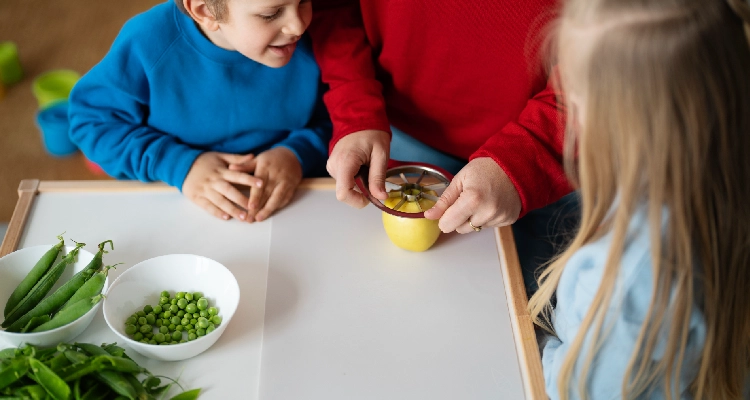
An individualized approach to nutrition means planning food and eating habits according to each child’s age, growth, appetite, daily routine, and health needs. Not every child eats the same way, grows at the same speed, or responds to food in the same pattern. For this reason, nutrition should be evaluated with a child-specific perspective rather than a fixed model.
Children’s eating habits are influenced by many factors. Growth stage, sleep, school routine, physical activity, family habits, and emotional state can all affect nutrition. When these areas are reviewed together, guidance becomes more practical and more supportive.
A personalized approach also helps families avoid unnecessary worry. Some children eat small amounts but grow well, while others may need closer follow-up even if they seem to eat enough. Looking at the full picture makes nutrition planning more accurate and more meaningful.
Why Is Individualization Important in Children’s Nutrition?
Individualization is important in children’s nutrition because every child has different needs. Appetite, food preferences, digestion, daily activity, and growth pattern can vary even among children of the same age. A plan that works well for one child may not be suitable for another.
A child-specific approach helps families understand whether the main issue is true nutritional need or simply a normal variation in eating behavior. This makes it easier to respond calmly and avoid pressure around meals. It also supports better long-term habits.
Individualization becomes even more important when there are added concerns such as poor appetite, selective eating, allergies, or weight changes. In these situations, nutrition should be adjusted carefully. A personalized plan is usually more realistic and more effective.
Nutritional Needs According to Age
Nutritional needs change with age and developmental stage. In infancy, feeding is mainly based on milk intake, feeding frequency, and the transition to complementary foods. During this period, nutrition supports rapid growth and early development.
In toddlerhood and preschool years, appetite may become less predictable. Children may eat well one day and less the next, and selective eating may become more noticeable. At this stage, routine, repeated exposure to foods, and a calm family approach are especially important.
In school-age children and adolescents, nutrition must also fit school routine, physical activity, sleep, and social habits. Rapid growth during adolescence may increase energy and nutrient needs. This is why age-based planning remains a key part of individualized nutrition.
How Does Growth Monitoring Guide Nutrition?
Growth monitoring helps show whether nutrition is supporting healthy development. Height, weight, and overall growth pattern provide important clues about whether a child’s intake is meeting basic needs. Looking only at appetite is often not enough.
Some children may seem to eat very little, yet continue to grow steadily and remain active. Others may have nutritional difficulties that begin to affect weight gain, daily energy, or overall health. Growth monitoring helps separate these situations more clearly.
When nutrition is reviewed together with growth, decisions become more balanced. Families can focus on long-term patterns instead of one difficult meal or one short phase. This makes guidance more reassuring and more accurate.
Individual Assessment of Children with Poor Appetite
Poor appetite should always be evaluated individually. One child may eat small portions and still grow normally, while another may show clear nutritional difficulty over time. For this reason, poor appetite should never be judged by one meal alone.
The child’s growth, daily energy, sleep, activity level, and meal routine should all be reviewed. Illness, stress, constipation, irregular snacks, and emotional factors may also affect appetite. A careful assessment helps identify whether the issue is temporary or more significant.
A child-specific approach also reduces unnecessary pressure. Instead of forcing larger portions, families can focus on meal timing, food variety, and a calmer eating environment. This often supports better results over time.
The Right Approach to Selective Eating
Selective eating is common in childhood, especially in the toddler and preschool years. Children may avoid certain foods because of texture, smell, color, or unfamiliarity. This behavior often improves more with patience than with force.
Families should avoid turning meals into conflict. Foods can be offered again at different times without pressure, while routine and calm communication are maintained. Repeated exposure is usually more helpful than insistence.
The goal is not perfect eating in a short time. The goal is to help the child feel safer and more open around food. A supportive approach often leads to healthier habits in the long term.
Nutrition Planning for Allergies and Food Sensitivities
Nutrition planning becomes more careful when allergies or food sensitivities are involved. Foods should not be removed without a clear reason, because unnecessary restriction can make the diet less balanced. The first step is understanding which foods truly cause symptoms.
After proper evaluation, meals can be adjusted in a more practical and safer way. Replacement foods may be needed so that the child continues to receive balanced nutrition. Growth and daily intake should still be followed closely during this process.
Families also need clear guidance to manage meals without fear. A child-specific plan helps protect against reactions while still supporting healthy eating habits. This balance is important for both nutrition and daily quality of life.
A Child-Specific Approach to Weight Management
Weight management in children should always be handled with a child-specific and balanced approach. The goal is not rapid change, but healthier growth, better habits, and long-term well-being. Weight should be evaluated together with age, height, growth pattern, daily routine, and overall health.
A supportive approach usually works better than strict control. Children benefit more from healthier routines, active daily life, and balanced meals than from pressure or overly restrictive diets. Emotional well-being should also be protected during this process.
A child-specific weight plan may include:
- Reviewing growth pattern and daily habits
- Improving meal balance and portion structure
- Reducing frequent high-calorie snacks and sugary drinks
- Supporting regular physical activity
- Encouraging better sleep and daily routine
- Avoiding shame, pressure, or strict restriction
When these steps are planned according to the child’s needs, weight management becomes healthier and more realistic. The focus should remain on balanced development rather than appearance alone.
When Are Vitamin and Mineral Supplements Necessary?
Vitamin and mineral supplements are not necessary for every child. Many children can meet their nutritional needs through a balanced diet and regular eating habits. Supplements should be considered when intake is limited or when there is a specific need.
In some children, poor appetite, selective eating, restricted diets, rapid growth, or certain medical conditions may increase the need for nutritional support. In these cases, evaluation should focus on the child’s overall pattern rather than using supplements automatically. Nutrition should always come first when possible.
Families should also know that supplements do not replace healthy eating. They are useful only when there is a clear reason for support. A child-specific assessment helps decide whether supplementation is truly needed.
Family Meals and Eating Habits
Family meals play an important role in shaping eating habits. Children often learn by watching how meals are structured, how food is offered, and how others eat at home. A calm family table can support healthier food choices over time.
Regular mealtimes help children feel more secure and make eating patterns easier to follow. Shared meals also create opportunities for conversation, routine, and positive modeling. These small daily habits can have a strong long-term effect.
A child-specific approach does not mean preparing a separate meal for every preference. It means supporting the child within a balanced family routine. Consistency, patience, and a positive environment often create the best results.
Frequently Asked Questions
Should I Be Concerned If My Child Eats Little but Is Growing Normally?
Not always. If your child is growing steadily, has normal energy, and appears well overall, eating small amounts may simply reflect an individual pattern. Growth over time is usually more important than one meal or one difficult period.
Can the Same Nutrition Plan Be Used for Every Child?
No, the same nutrition plan is not suitable for every child. Age, appetite, growth pattern, health needs, activity level, and eating behavior can all differ. Nutrition works best when it is planned according to the individual child.
How Should a Selective Eater Be Approached?
A selective eater should be approached with patience, routine, and repeated exposure to foods. Pressure and force are usually not helpful. A calm and supportive mealtime environment often leads to better progress.
Do Vitamin Supplements Increase Appetite?
Vitamin supplements do not automatically increase appetite in every child. They may help only when there is a true deficiency or a specific nutritional need. They should not be used as a routine solution for eating difficulties.
What Approach Should Be Followed for an Overweight Child?
An overweight child should be approached with balance and without shame. The focus should be on healthier meals, better routines, more daily activity, and regular follow-up. Supportive family habits are more effective than strict dieting.