
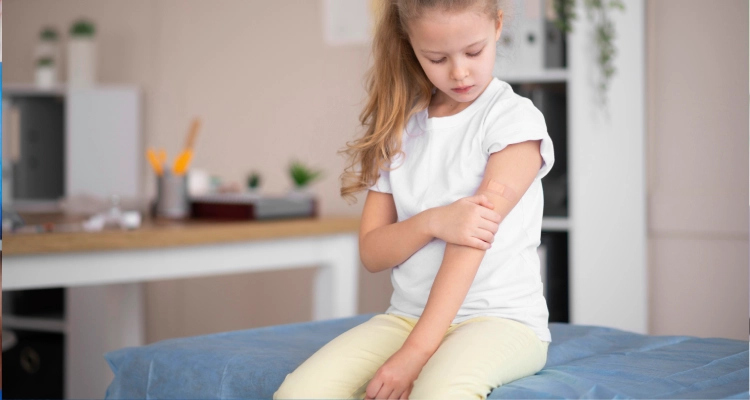
Rash-related illnesses are common in childhood and may appear for many different reasons. Some rashes are caused by viral infections, while others may be linked to allergies, medications, heat, or skin sensitivity. For this reason, a rash should always be evaluated together with the child’s general condition and other symptoms.
In children, rash may appear suddenly or develop gradually over time. The color, shape, location, and spread of the rash can provide useful clues. Fever, itching, cough, fatigue, or sore throat may also help explain the possible cause.
Prevention depends on understanding the source of the rash. In some cases, hygiene, avoiding triggers, and vaccination can reduce risk. In other cases, early observation and medical follow-up are more important than home treatment alone.
What Causes Rashes in Children?
Rashes in children can be caused by infections, allergic reactions, medications, skin irritation, or environmental factors. Viral illnesses are among the most common causes, especially in younger children. Heat, sweating, and sensitive skin may also lead to temporary rashes.
Some rashes appear with fever, cough, or tiredness, while others may only cause redness or itching. The appearance of the rash may change depending on the cause. A flat pink rash, raised itchy spots, or blister-like lesions may each suggest a different pattern.
Because many conditions can look similar at first, the full picture is important. The child’s age, recent illness, food exposure, medication use, and vaccination history may all help guide evaluation. This is why a rash should not be judged by appearance alone.
Warning Signs to Watch for in Rash-Related Illnesses
Most childhood rashes are mild, but some need quicker attention. Warning signs include high fever, unusual sleepiness, breathing difficulty, poor feeding, repeated vomiting, or a rapidly spreading rash. These symptoms may suggest that the rash is part of a more serious illness.
Painful rash, purple spots, swelling of the lips or face, or signs of dehydration should also be taken seriously. In babies, reduced activity, weak sucking, or persistent crying may be important warning signs. The child’s overall condition matters as much as the rash itself.
Families should pay attention to how the rash changes over time. A rash that becomes darker, more widespread, or is accompanied by worsening symptoms may require medical evaluation. Careful observation helps families decide when routine home care is enough and when faster assessment is needed.
Viral Illnesses That Cause Rashes
Many childhood rashes are linked to viral illnesses. These rashes often appear together with fever, runny nose, cough, sore throat, or general tiredness. In some children, the rash develops after the fever begins to improve.
Viral rashes may look different from one illness to another. Some are light pink and spread across the body, while others may start on the face or trunk before moving further. The pattern can vary, but the rash is often part of a broader infection.
Because viral rashes are common, not every rash needs special treatment. Supportive care and close follow-up are often enough when the child is otherwise stable. Still, medical review may be needed if the rash is severe or the child appears unwell.
How Can Allergic Rashes Be Distinguished?
Allergic rashes often appear after exposure to a trigger such as food, medication, detergent, or another external factor. These rashes are more likely to be itchy and may develop quickly. In some cases, raised red patches or hives may appear and move from one area to another.
Infectious rashes are more often associated with fever, fatigue, cough, sore throat, or other signs of illness. Allergic rashes may happen without these infection-related symptoms. Timing is often one of the most useful clues in making this distinction.
The difference is not always clear at first. A child may have overlapping symptoms, or the rash may look similar in different conditions. For this reason, the rash should be assessed together with recent exposures, general symptoms, and the child’s medical history.
Medication-Related Rashes
Medication-related rashes may occur after starting a new medicine or during treatment for an illness. These rashes can vary in appearance and may look similar to viral or allergic rashes. For this reason, timing is especially important.
Some medication-related rashes are mild and limited to the skin. Others may be more serious, especially if they are accompanied by swelling, fever, or general discomfort. Families should not ignore a rash that appears soon after medication use.
A careful review of which medicine was used and when the rash began can be very helpful. The child’s doctor may need to decide whether the rash is related to the medication or to the illness being treated. This helps prevent unnecessary fear and supports safer future treatment.
Contagiousness in Rash-Related Illnesses
Not all rashes are contagious. Some are caused by viral infections and can spread from one child to another, while others are related to allergy, irritation, or medication and do not spread. The cause of the rash determines whether isolation is necessary.
Contagious rashes are often linked to symptoms such as fever, cough, sore throat, or recent contact with another sick child. In these situations, school attendance and close contact may need to be limited for a period of time. This helps reduce spread to others.
Important points to consider about contagiousness include:
- Whether the rash is linked to fever or infection symptoms
- If the child has had close contact with other sick children
- Whether the rash appeared during a known viral illness
- If itching, blisters, or spreading lesions are present
- Whether the child is well enough for school or group settings
- If a doctor has advised staying home
These details help families respond more carefully. A rash should be evaluated not only for treatment, but also for its possible effect on others around the child.
The Role of Vaccines in Prevention
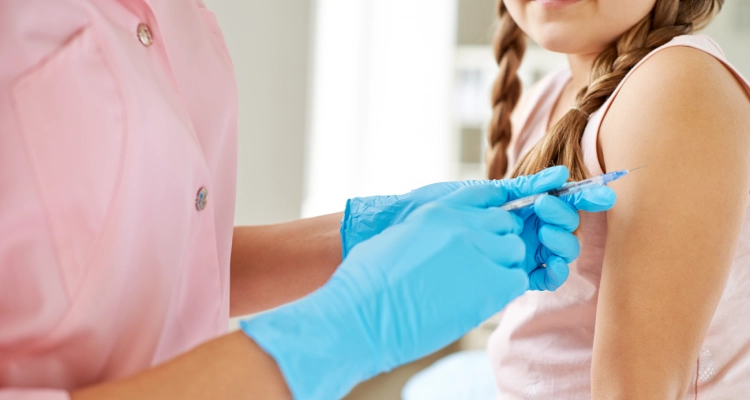
Vaccines play an important role in preventing some illnesses that can cause rash. Certain childhood infections are less common today because vaccination helps protect against them. This reduces both the child’s individual risk and the spread of disease in the community.
Vaccination is especially important because some rash-related infections may also cause fever, breathing symptoms, or other complications. Preventing the illness means preventing the rash and its possible effects. This makes vaccines a key part of protective child healthcare.
Families should also remember that not every rash-related illness can be prevented with vaccination. Even so, vaccines remain one of the strongest preventive tools for specific infectious causes. Regular vaccine follow-up supports safer childhood development.
Points to Consider During Home Care
Home care should focus on the child’s comfort, hydration, and general condition. The rash itself should be observed without frequent rubbing or unnecessary product use. Loose clothing, a cool room, and gentle skin care may help reduce discomfort.
Families should also watch for fever, itching, sleepiness, poor appetite, or changes in behavior. These details may show whether the child is improving or needs further evaluation. Keeping track of when the rash began and how it changes can also be useful.
Home care does not mean ignoring warning signs. If the rash worsens, spreads quickly, or appears together with serious symptoms, a doctor should be consulted. Careful observation is one of the most important parts of safe home management.
When Should a Doctor Be Consulted?
A doctor should be consulted when a rash appears with high fever, breathing difficulty, poor feeding, repeated vomiting, unusual sleepiness, or rapid spread. Purple spots, facial swelling, or signs of dehydration also need medical attention. These features may suggest that the rash is part of a more serious condition.
Medical advice is also important when the rash lasts longer than expected or becomes more severe over time. A child who seems very uncomfortable, has significant itching, or develops pain should also be evaluated. Families should not wait too long when the overall condition is worsening.
In some cases, the rash itself may look mild, but the child’s general appearance may raise concern. This is why the whole child should be assessed, not just the skin. When families feel uncertain, medical evaluation is often the safest step.
The Importance of Pediatrician Follow-Up
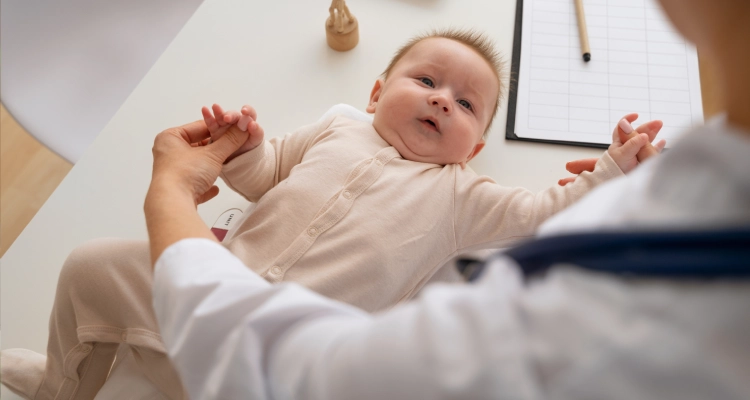
Pediatrician follow-up is important because many childhood rashes need evaluation in the context of overall health. The same rash may have different causes in different children. A pediatrician helps connect the skin findings with fever, infection history, allergy risk, medication use, and growth.
Follow-up is also useful because some rashes change over time. What begins as a mild skin finding may become clearer after one or two days. Regular assessment helps families understand whether the child is improving, needs testing, or requires a different treatment plan.
Pediatrician guidance also helps prevent unnecessary treatments at home. Families may feel pressure to use creams, antibiotics, or dietary restrictions too quickly. A structured follow-up plan supports safer and more accurate care.
Frequently Asked Questions
Are All Rashes Contagious?
No, not all rashes are contagious. Some are caused by viral infections, while others are related to allergies, medications, heat, or skin irritation. The cause of the rash determines whether it can spread to others.
Can a Child with a Rash Go to School?
It depends on the cause of the rash and the child’s overall condition. If the rash is linked to fever, infection, or a contagious illness, staying home may be necessary. A doctor can help decide when it is safe to return.
How Can You Tell Whether a Rash Is Caused by an Allergy or an Infection?
Allergic rashes are often itchy and may appear after exposure to a trigger such as food or medication. Infectious rashes are more likely to appear with fever, tiredness, cough, or sore throat. The child’s full symptom pattern is important in making the distinction.
Should Cream Be Applied to a Rash at Home?
Not every rash needs cream at home. Some products may irritate the skin or make the rash harder to evaluate. It is better to use simple care and seek advice if the rash is worsening or causing discomfort.
Do Vaccines Protect Against Illnesses That Cause Rashes?
Yes, vaccines can protect against some infectious illnesses that may cause rashes. They do not prevent every possible rash, but they reduce the risk of certain important childhood infections. This makes vaccination an important part of prevention.