
What Are the Symptoms of Chickenpox?
Chickenpox usually causes fever, fatigue, headache, reduced appetite, and an intensely itchy skin rash. The rash develops in several stages at the same time. It first appears as small red spots. These spots then become fluid-filled blisters before drying and forming scabs. New lesions may continue appearing while older ones are already crusting. The rash often begins on the face, scalp, or trunk. It can later spread across the entire body. Symptoms are usually mild in healthy children. Adults and people with weakened immunity may experience more severe illness.
How Can the Early Symptoms of Chickenpox Be Recognized?
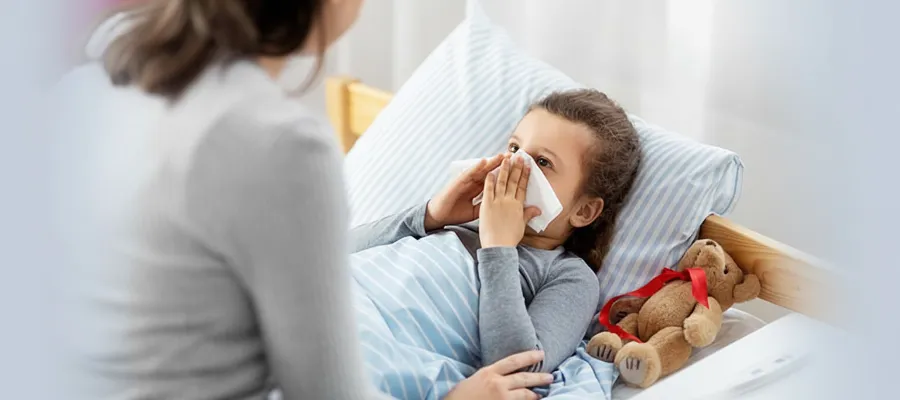
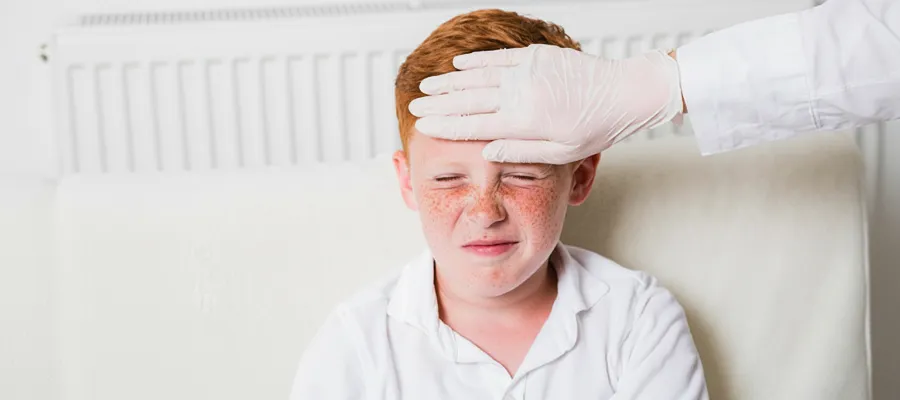
The early symptoms of chickenpox usually include mild fever, tiredness, headache, and reduced appetite. These complaints may resemble influenza or another common viral infection. A general feeling of discomfort can also develop before the rash appears. The characteristic skin lesions usually begin within one or two days. Children may experience only mild symptoms before the rash. Adults often develop more noticeable fever and fatigue. Early recognition is important because chickenpox becomes contagious before the rash appears. Anyone with possible exposure should avoid close contact with vulnerable people and seek medical advice when necessary.
What Does a Chickenpox Rash Look Like?
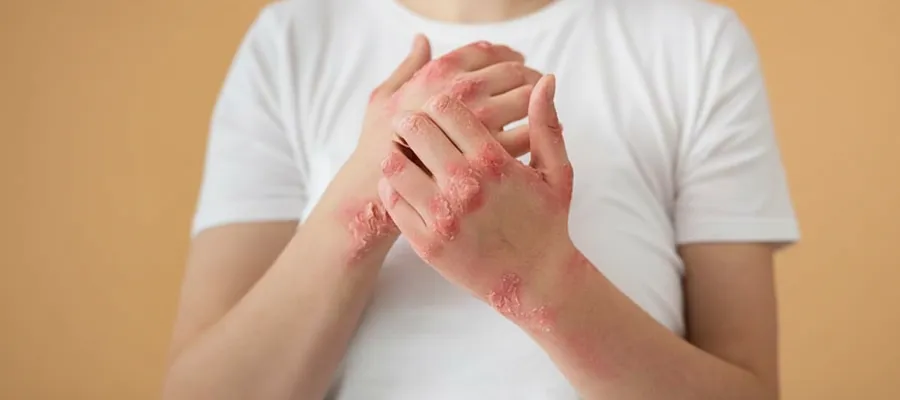
A chickenpox rash consists of itchy red spots, fluid-filled blisters, and crusted lesions appearing together. The spots usually begin on the face, scalp, chest, or back. They may then spread to the arms, legs, and other body areas. New groups of lesions can appear for several days. This creates the characteristic appearance of rashes at different stages. Some spots remain red, while others become clear blisters or scabs. The rash may also affect the mouth or genital area. Scratching can damage the skin and increase bacterial infection or scarring risks.
How Long Does Chickenpox Last?
Chickenpox usually lasts between seven and ten days in otherwise healthy children. Fever and tiredness often develop before the rash becomes widespread. New blisters may continue appearing for several days. Existing lesions gradually dry and form scabs. The illness becomes less contagious after every blister has completely crusted. Fatigue and skin sensitivity may continue during recovery. Adults or immunocompromised patients may experience a longer and more severe course. Medical advice is recommended when fever persists, breathing becomes difficult, or the skin lesions appear infected.
How Long Is the Incubation Period of Chickenpox?
The incubation period of chickenpox is usually between ten and twenty-one days after exposure. During this period, the virus multiplies without causing visible symptoms. Most people feel completely well until fever, fatigue, or appetite loss begins. The rash usually appears shortly after these early complaints. An infected person can become contagious before realizing the illness has started. Recent contact with someone who has chickenpox or shingles may support clinical suspicion. Exposed individuals should monitor themselves for symptoms throughout the incubation period. Vulnerable contacts may need prompt professional medical guidance.
When Is Chickenpox Contagious?
Chickenpox is contagious from approximately two days before the rash appears until every blister has crusted. The virus spreads through respiratory particles and direct contact with blister fluid. People can transmit the infection before knowing they are ill. New blisters remain infectious until they dry completely. Patients should avoid school, work, public places, and close contact during this period. Contact with pregnant people, newborns, and immunocompromised individuals should be strictly avoided. Hand hygiene and separate personal items can reduce household transmission. Isolation often continues for about seven to ten days.
Who Is More Likely to Get Chickenpox?
Chickenpox is more common among unvaccinated children and people who have never had the infection. Children attending schools, nurseries, or crowded settings face greater exposure risk. Household transmission is also common because the virus spreads very easily. People with weakened immune systems may develop more severe disease after infection. Adults without immunity can also contract chickenpox. Their illness is often more serious than childhood cases. Vaccination significantly reduces both infection and complication risks. People uncertain about their immunity should discuss vaccination or exposure management with a healthcare professional.
How Does Chickenpox Progress in Babies?
Chickenpox in babies may be mild, but some infants can develop serious complications. Common symptoms include fever, irritability, reduced feeding, and a widespread blistering rash. Babies may scratch or appear restless because the lesions are itchy. Infants under one year require closer monitoring, especially when immunity is reduced. Newborns exposed around the time of birth can face greater risks. Dehydration, skin infection, or breathing problems may develop in severe cases. Medical assessment is recommended for babies with suspected chickenpox. Parents should not use medicines without professional guidance.
Is Chickenpox Dangerous in Children?
Chickenpox is usually mild in healthy children, but complications can occasionally develop. Most children recover without permanent health problems. Scratching may allow bacteria to infect the skin lesions. Pneumonia, dehydration, or neurological complications are less common but possible. High fever, breathing difficulty, severe weakness, or confusion requires urgent medical assessment. Redness, swelling, warmth, or pus around lesions may indicate bacterial infection. Children with weakened immunity have a higher complication risk. Careful monitoring, hydration, and suitable symptom management support a safer recovery.
Why Is Chickenpox More Severe in Adults?
Chickenpox is often more severe in adults because complications and systemic symptoms occur more frequently. Adults may develop higher fever, greater fatigue, and a more extensive rash. The illness can also last longer than typical childhood chickenpox. Viral pneumonia is an important complication in adults, especially among smokers and pregnant patients. Liver, brain, or blood-related complications are less common but possible. Adults with suspected chickenpox should seek medical advice early. Antiviral treatment may be considered for selected patients when started promptly. Breathing difficulty requires urgent evaluation.
Is Chickenpox Dangerous During Pregnancy?
Yes, chickenpox during pregnancy can create risks for both the mother and the developing baby. Pregnant patients may have a greater risk of severe pneumonia. Infection early in pregnancy rarely causes congenital abnormalities affecting the baby. Chickenpox close to delivery may lead to serious infection in the newborn. Anyone pregnant and exposed to chickenpox should contact a healthcare professional immediately. The chickenpox vaccine is not administered during pregnancy. Immunity should ideally be checked before conception. Early medical guidance can determine whether preventive treatment or close monitoring is required.
How Is Chickenpox Diagnosed?
Chickenpox is usually diagnosed through the characteristic appearance and progression of the skin rash. A doctor examines the red spots, blisters, and scabs occurring simultaneously. Fever, itching, exposure history, and vaccination status also support the diagnosis. Most typical cases do not require laboratory testing. Blood tests or blister samples may be examined when the diagnosis remains uncertain. Testing may also be considered for pregnant patients or immunocompromised individuals. Similar rashes can result from other infections or allergic conditions. Professional evaluation helps confirm the cause and guide appropriate isolation.
How Can Chickenpox Be Distinguished from an Allergic Rash?
Chickenpox produces lesions at different stages, while allergic rashes usually have a more uniform appearance. Fluid-filled blisters and crusted spots can appear together during chickenpox. Fever and general illness are also more common.
Important differences include:
- Chickenpox lesions develop in several stages
- Fluid-filled blisters are commonly present
- Older lesions form scabs
- New spots continue appearing
- Allergic rashes often look more uniform
- Allergic reactions usually lack crusted blisters
- Fever may accompany chickenpox
- Fatigue can occur during chickenpox
A doctor should assess unusual, severe, or rapidly spreading rashes.
What Is the Connection Between Chickenpox and Shingles?
Chickenpox and shingles are caused by the same virus, called varicella-zoster virus. After chickenpox resolves, the virus remains inactive inside nerve tissue. It may reactivate years later and cause shingles.
Important points about this connection include:
- Both conditions come from varicella-zoster virus
- Chickenpox represents the first infection
- The virus remains inside nerve roots
- It may stay inactive for many years
- Reduced immunity can trigger reactivation
- Reactivation causes shingles
- Shingles risk increases with age
- Shingles usually affects one body area
Vaccination can reduce the risk of both conditions.
How Can Itching Be Reduced During Chickenpox?
Chickenpox itching can be reduced by keeping the skin cool, clean, and protected from scratching. Lukewarm showers may soothe irritated areas. A doctor may recommend calming lotions or suitable antihistamine medicine. Fingernails should be trimmed short to limit skin damage. Young children may benefit from soft gloves during sleep. Loose cotton clothing can reduce heat and friction. Very hot showers and strongly scented skin products should be avoided. Scratching increases the risk of infection and permanent scars. Red, painful, or pus-filled lesions require medical assessment.
How Is Fever Controlled During Chickenpox?
Chickenpox fever can be managed with fluids, rest, light clothing, and doctor-approved fever medicine. Children should drink regularly to reduce dehydration risk. Paracetamol may be recommended according to age and weight. Aspirin must not be given to children or teenagers with chickenpox. It can increase the risk of a serious condition called Reye’s syndrome. Some anti-inflammatory medicines may also be unsuitable without professional guidance. Temperature and general condition should be monitored carefully. Persistent high fever, unusual sleepiness, or breathing difficulty requires prompt medical evaluation.
How Should People with Chickenpox Eat?
People with chickenpox should follow a balanced diet and drink enough fluids during recovery. Light, nutritious, and easy-to-digest foods may be better tolerated. Fruits, vegetables, soups, yogurt, and suitable protein sources can support general health. Small meals may help when fever reduces appetite. Mouth lesions can make chewing or swallowing uncomfortable. Soft and cool foods may then provide greater comfort. Spicy, salty, or acidic foods may irritate oral blisters. Hydration is more important than maintaining normal meal portions during the first days.
Can You Take a Bath During Chickenpox?
Yes, bathing during chickenpox is safe and can help keep the skin clean. A lukewarm shower may also reduce itching and discomfort. Very hot water should be avoided because it can worsen skin irritation. The skin should not be scrubbed with rough sponges or exfoliating products. After bathing, the body should be dried gently with a soft towel. Rubbing can damage blisters and increase infection risk. Personal towels should not be shared with others. Clean skin and careful drying can support healing and reduce bacterial complications.
Does Chickenpox Leave Scars?
Chickenpox can leave scars when blisters are scratched, damaged, or infected. Most lesions heal without permanent marks when left undisturbed. Scarring risk increases when scabs are removed before falling naturally. Deep skin infection can also damage underlying tissue. Some temporary discoloration may remain after the lesions heal. These marks often fade gradually over time. Skin type and healing response can influence the final appearance. Controlling itching and keeping lesions clean are important preventive measures. A doctor should assess painful, swollen, or infected-looking spots.
How Can Chickenpox Scars Be Prevented?
Chickenpox scars can be prevented by controlling itching and avoiding damage to blisters and scabs. Fingernails should be kept clean and short. Lesions should never be squeezed, scratched, or intentionally opened. Recommended lotions or antihistamines may reduce the urge to scratch. The skin should be washed gently and kept clean. Any suspected infection should receive early medical assessment. After complete healing, sun protection may prevent dark marks from becoming more noticeable. Scabs must fall naturally. Cosmetic products should not be applied to open or actively healing blisters.
When Do Chickenpox Scabs Fall Off?
Chickenpox scabs usually fall off naturally within one or two weeks after forming. Individual lesions may heal at different times because new blisters appear over several days. Scabs should never be pulled or scratched away. Early removal increases bleeding, infection, and permanent scarring risks. The skin underneath may initially appear pink or slightly darker. Its color usually becomes more even during healing. Gentle skin care should continue until every lesion has closed. Persistent redness, swelling, pain, or discharge may indicate infection and requires medical assessment.
When Can a Child with Chickenpox Return to School?
A child with chickenpox can return to school after every blister has completely dried and crusted. No new lesions should be appearing. This process usually takes approximately seven to ten days. The child should also be free from fever and feel well enough to participate. Returning before full crusting can expose classmates and staff to infection. The school may have its own return policy. Families should inform school staff about the diagnosis. Children with weakened immunity or pregnant staff members may require additional protection after exposure.
When Can an Adult with Chickenpox Return to Work?
An adult with chickenpox should return to work only after every blister has fully crusted. New lesions should no longer be developing. This usually occurs within seven to ten days. Fever should have resolved, and general health should be improving. Adults working with pregnant people, newborns, or immunocompromised patients may require additional occupational guidance. Remote work may be considered when possible during isolation. Returning too early can spread the virus to vulnerable colleagues. Medical confirmation may be needed according to workplace rules or illness severity.
When Should a Doctor Be Consulted for Chickenpox?
Medical advice is required when chickenpox causes severe, unusual, or rapidly worsening symptoms. Persistent high fever, breathing difficulty, confusion, or extreme weakness needs urgent assessment. Painful, swollen, or pus-filled skin lesions may indicate bacterial infection. Severe headache, repeated vomiting, or difficulty walking can suggest neurological involvement. Babies, pregnant patients, adults, and immunocompromised people should be assessed early. Eye involvement also requires prompt attention. Patients should contact the healthcare facility before arriving. This warning allows staff to prevent exposure to other vulnerable patients.
What Complications Can Chickenpox Cause?
Chickenpox can cause bacterial skin infections, pneumonia, dehydration, and rarely inflammation of the brain. Skin infections often develop after repeated scratching damages the blisters. Pneumonia is more common among adults, pregnant patients, and immunocompromised people. Neurological complications may cause severe headache, balance problems, seizures, or confusion. Liver, blood, or kidney complications are uncommon but possible. Newborns and people with weakened immunity face a greater risk of severe illness. Early medical assessment can identify complications before they progress. Vaccination remains the most effective method for reducing severe chickenpox.