
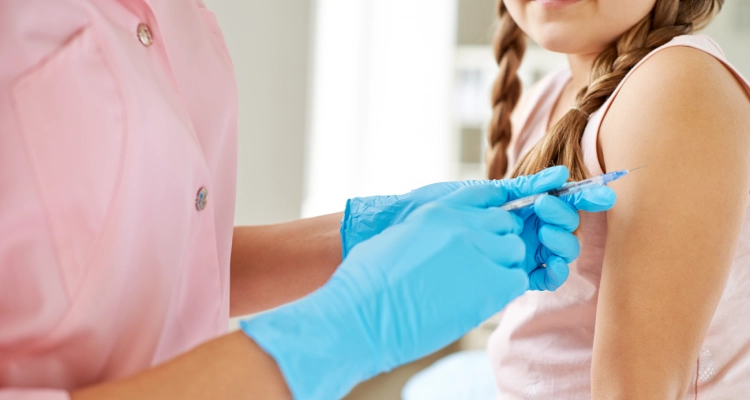
Childhood vaccinations are an important part of preventive healthcare. They help protect children from serious infectious diseases during the early years of life. Vaccination also supports community health by reducing the spread of preventable illnesses.
Vaccines are given according to a planned schedule at different stages of childhood. Each vaccine is timed to provide protection when the child is most vulnerable. Regular follow-up helps make sure this protection develops in a safe and effective way.
For families, vaccination is not only about receiving an injection on a specific day. It is also a process of monitoring, guidance, and informed care. Understanding each stage helps parents feel more confident and prepared.
How Is the Vaccination Schedule Planned?
The vaccination schedule is planned according to age, developmental stage, and the timing of disease risk. Some vaccines are given shortly after birth, while others are scheduled in later months or years. This approach helps the immune system respond at the right time.
The schedule also includes repeat doses and booster doses when needed. These additional doses help strengthen and maintain protection over time. For this reason, each visit has a specific purpose within the larger vaccination plan.
Regular doctor follow-up is important in keeping the schedule organized. If a vaccine is missed, the plan can often be adjusted. A structured schedule helps families track each step more easily.
| National Childhood Immunization Schedule | ||||||||||
|---|---|---|---|---|---|---|---|---|---|---|
| BIRTH | 2. END OF THE MONTH | 4. END OF THE MONTH | 6. END OF THE MONTH | 9. END OF THE MONTH | 12. END OF THE MONTH | 18. END OF THE MONTH | 24. END OF THE MONTH | 48. MONTH | 13AGE | |
| Hep-B | I | |||||||||
| BCG | I | |||||||||
| KPA | I | II | RAPEL | |||||||
| DaBT – İPA – Hib – HepB | I | II | III | RAPEL | ||||||
| OPA | I | II | ||||||||
| Suçiçeği | I | |||||||||
| KKK | EK DOZ | I | II | |||||||
| Hep-A | I | II | ||||||||
| DaBT – İPA | RAPEL | |||||||||
| Td | RAPEL | |||||||||
Newborn and First-Month Vaccinations
Vaccinations in the newborn period begin very early because babies are more sensitive to infections after birth. Early protection is important during this stage of rapid adaptation. These first vaccines form the foundation of the child’s future immunization plan.
During the first month, families are also guided about what to expect after vaccination. Mild local reactions or short-term discomfort may occur. Clear follow-up helps parents understand what is normal and when to seek advice.
This period is not only about vaccine administration. It is also a time for monitoring feeding, weight, sleep, and general well-being. Early follow-up supports both protection and overall newborn care.
Vaccinations During Infancy
Vaccinations during infancy are given at regular intervals throughout the first year of life. This period is one of the fastest stages of growth and development. Because the immune system is still maturing, vaccines play a major protective role.
Each scheduled dose helps the baby build immunity step by step. Some vaccines require repeated doses to create stronger and longer-lasting protection. Timely follow-up is important for keeping this process on track.
Families should also observe the baby after vaccination. Feeding pattern, sleep, activity, and mild fever can be followed at home. These simple observations help support safe infant care after each visit.
Vaccination Follow-Up During the Preschool Period
The preschool period is an important time for reviewing previous vaccinations and completing booster doses. As children become more active and spend more time with others, protection against infectious disease remains essential. Follow-up during this stage helps maintain continuity.
Preschool vaccination visits also allow families to check whether all earlier doses were completed properly. If any vaccine was delayed, catch-up planning can be made. This prevents larger gaps in protection before school entry.
This stage also gives parents a chance to ask new questions. As the child grows, families may want to better understand long-term vaccine protection. Regular check-ups keep this communication clear and helpful.
Vaccinations During School Age and Adolescence
Vaccinations continue to be important during school age and adolescence. At these stages, children spend more time in school, group settings, and social environments. This can increase exposure to infectious diseases.
Some vaccines during these years act as booster doses. Others may be given based on age-related needs and ongoing protection goals. These vaccinations help extend immunity into later childhood and adolescence.
Follow-up remains important because older children may not visit the doctor as often as infants. Reviewing vaccine history during routine check-ups helps families stay updated. Ongoing care supports complete and timely protection.
Points to Consider Before Vaccination
Before vaccination, a few simple steps can make the visit easier and more organized. Families should be ready to share important health information and prepare the child calmly. Good preparation helps support a smoother vaccination experience.
- Inform the doctor about recent illness or current symptoms
- Share any history of allergy or previous vaccine reaction
- Bring the vaccination card to the appointment
- Dress the child in comfortable clothing
- Keep the child rested and calm before the visit
- Follow the doctor’s advice after vaccination
These small precautions help the healthcare team assess the child more accurately. They also reduce confusion and support better communication during the visit.
Expected Reactions After Vaccination
Expected reactions after vaccination are usually mild and temporary. Pain, redness, or swelling at the injection site may occur. Some children may also become slightly restless, sleepy, or less interested in food for a short time.
Mild fever can also be seen after some vaccines. This usually improves without lasting problems. Families should monitor the child’s comfort and general condition during this period.
Most post-vaccination reactions are manageable with routine care. However, if symptoms appear severe or unusual, medical advice should be sought. Knowing what is expected can reduce anxiety and help families respond appropriately.
How Are Missing or Delayed Vaccinations Completed?
Missing or delayed vaccinations can usually be completed with a catch-up plan. In many cases, the child does not need to restart the entire series. Instead, the missing doses are added according to age and previous vaccine history.
This process should be guided by a healthcare professional. Accurate review of past records helps determine which doses were given and which are still needed. A clear plan makes the process safer and more efficient.
Early action is important when delays are noticed. Catch-up vaccination helps close protection gaps before they become more significant. Regular follow-up makes it easier to return to the recommended schedule.
Vaccine Hesitancy and Accessing Accurate Information
Vaccine hesitancy can happen when families feel uncertain about safety, necessity, or side effects. This uncertainty often grows when information from different sources is inconsistent. As a result, parents may feel confused or anxious.
Access to accurate information is essential in these situations. Families benefit most from clear explanations given in simple and understandable language. Reliable guidance helps reduce fear and support informed decisions.
Open communication with a trusted doctor is one of the best ways to address concerns. Parents should feel comfortable asking questions about timing, ingredients, reactions, and benefits. Correct information builds confidence and supports healthier choices.
Frequently Asked Questions
Can a Child Be Vaccinated If They Are Mildly Ill on the Day of Vaccination?
A child with a mild illness can often still be vaccinated. A slight cold or mild cough does not always require postponement. The child’s general condition should still be assessed before the vaccine is given.
Is It Normal to Develop a Fever After Vaccination?
Yes, mild fever after vaccination can be normal. It may show that the immune system is responding. Families should monitor the child and seek medical advice if the fever becomes high or unusual symptoms appear.
What Should Be Done If the Vaccination Card Is Lost?
If the vaccination card is lost, families should contact the healthcare center where the child was followed. Previous records may still be available. Rebuilding the record helps continue the vaccination schedule correctly.
Are Optional Vaccines Necessary?
Optional vaccines may provide useful protection depending on the child’s health, age, and daily environment. They are not the same for every child. The decision should be made with medical guidance.