

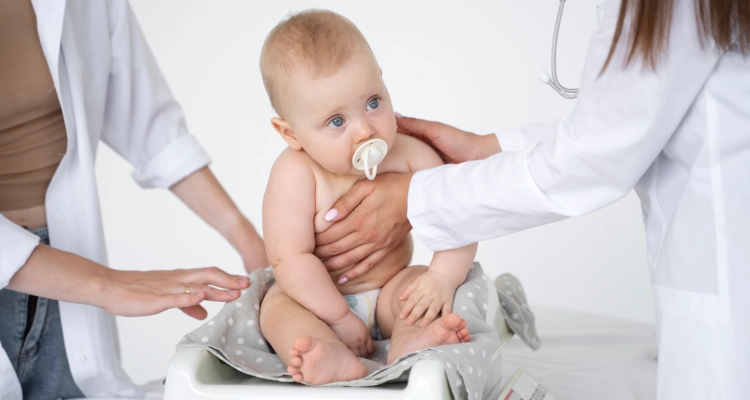
Normal healthy growth is balanced physical, mental, and emotional development that matches a child’s age and stage.
It includes steady height and weight gain, strong bones, and age-appropriate learning and social skills. Healthy growth depends on balanced nutrition, quality sleep, regular physical activity, and routine medical checkups. Parents should also watch growth patterns over time, not just single measurements. A consistent growth curve usually shows that development is progressing well. Sudden weight loss, poor appetite, or delayed milestones may need medical attention. In simple terms, normal healthy growth reflects overall wellness, proper care, and steady development in everyday life.
How Is Growth Evaluated in Children?
Growth in children is evaluated by tracking height, weight, and head circumference over time on standard growth charts.
Doctors compare these measurements with a child’s age and sex to see whether growth follows a healthy pattern. They also review growth velocity, which shows how quickly a child is growing between visits. Nutrition, sleep, physical activity, family history, and overall health are also important in the assessment. In infants and young children, head growth helps show brain development. Puberty and developmental milestones can also affect normal growth patterns. If a child’s growth curve drops, rises too quickly, or stays far below average, doctors may order further tests to find the cause.
What Do Height Increase and Weight Gain Mean?
Height increase means a child is growing taller, and weight gain means the body is adding healthy mass over time.
Both are key signs of normal child growth and development. Height increase usually reflects bone growth and overall physical development. Weight gain shows that the child is getting enough energy and nutrients to support daily activity and body functions. In children, both should happen steadily and in balance with age. Fast or slow changes may sometimes signal nutrition or health issues. Doctors evaluate these changes using growth charts, age, and sex. Healthy height increase and weight gain together usually show that a child’s growth is progressing normally.
Growth Monitoring During Infancy
Growth monitoring during infancy is one of the most important parts of early child health. In the first days after birth, temporary weight loss can be normal. After this period, steady weight gain becomes a key sign of healthy development. Feeding patterns, sucking strength, sleep, alertness, urine output, and stool frequency are all reviewed carefully.
Regular checkups in infancy help doctors follow growth in a detailed way. Weight, length, and head circumference are measured together at each visit. Head circumference is especially important in the first two years because it gives indirect information about brain growth and neurological development.
Infant growth monitoring is not limited to physical measurements alone. Eye contact, response to sounds, head control, rolling, sitting, and early social interaction are also part of the process. By evaluating these milestones, doctors can see whether the baby is developing in a healthy and age-appropriate way.
Developmental Milestones During Childhood
Developmental milestones during childhood show how a child grows in movement, language, thinking, and social skills over time.
Each stage of childhood includes expected abilities that reflect healthy development. In early years, children begin to sit, walk, speak, and respond more clearly to people around them. As they grow, they improve problem-solving, attention, communication, and independence in daily activities. Social and emotional milestones also become more visible during this period. Sharing, following instructions, expressing feelings, and building relationships are important signs of progress.
Doctors evaluate these milestones during regular checkups to see whether development matches the child’s age. Delays do not always mean a serious problem, but early recognition is important. Careful follow-up helps support healthy childhood development and timely intervention when needed.
Factors Affecting Healthy Growth
Healthy growth is affected by nutrition, sleep, genetics, physical activity, emotional support, and overall health.
A child’s growth depends on many factors working together over time. Balanced nutrition provides the energy and nutrients needed for bone, muscle, and brain development. Quality sleep supports growth hormone release and helps the body recover each day. Genetics also play an important role in height, body structure, and growth pattern. Regular physical activity strengthens muscles and bones while supporting healthy development. Emotional security, family care, and a safe environment also influence growth. In addition, chronic illness, frequent infections, or poor eating habits can slow normal growth and development.
The Role of Nutrition in Growth
Nutrition plays a central role in growth by providing the energy and nutrients children need for healthy development.A balanced diet supports height gain, weight gain, brain function, and strong immunity throughout childhood. Protein helps build muscles and tissues, while calcium and vitamin D support healthy bones and teeth.
Iron is important for brain development and energy levels. Healthy fats also contribute to brain growth, especially in early childhood. When nutrition is poor, growth may slow and developmental progress can be affected. Regular meals, varied foods, and age-appropriate portions help children grow in a steady and healthy way.
The Relationship Between Sleep Patterns and Growth
The relationship between sleep patterns and growth is important during every stage of childhood. Children who get enough sleep are often more energetic, attentive, and emotionally balanced during the day. Sleep also supports the body’s repair processes and creates the right conditions for growth hormone release. For this reason, healthy sleep habits are closely linked to normal growth and development.
In infancy, sleep patterns can be irregular during the first months. Over time, nighttime sleep becomes longer and daytime naps follow a more regular pattern. In preschool children, a consistent bedtime routine helps them fall asleep more easily. In school-age children, late bedtimes, screen exposure, and busy schedules may reduce total sleep time.
Healthy sleep depends on age-appropriate bedtimes, a calm evening routine, limited screen use, and a regular daily schedule. Snoring, breathing pauses during sleep, frequent waking, daytime sleepiness, or sudden behavior changes should be evaluated by a doctor. Sleep problems can sometimes affect growth, learning, and overall well-being.
When Should Growth Retardation Be Suspected?
When growth retardation should be suspected becomes an important question when a child does not grow as expected for age. A child may need evaluation if height gain slows down, weight gain remains limited, or growth appears weaker than before. The key point is not only being smaller than peers. The main concern is a noticeable slowdown in the child’s usual growth pattern over time.
Parents may also notice poor appetite, low energy, delayed puberty, or frequent illness. In infants, feeding difficulty, weak sucking, and limited weight gain can be early warning signs. In older children, clothes staying the same size for a long time may also draw attention. Growth should always be assessed with regular follow-up, physical examination, and the child’s overall development. Early recognition is important because some causes are simple, while others may require medical support.
How Should Families Monitor Their Children?
How families should monitor their children starts with regular observation of growth, behavior, and daily habits. Parents should follow height, weight, appetite, sleep, and activity levels over time. Small changes may be normal, but clear differences in energy, mood, learning, or physical growth deserve attention. Monitoring works best when families focus on patterns rather than isolated moments.
Daily life gives many clues about a child’s well-being. Eating habits, sleep routine, toilet pattern, school performance, and social interaction can all reflect healthy development. In younger children, speech, movement, and play skills should also be observed. In older children, emotional balance, attention, and peer relationships become more important. Regular pediatric visits support family observations and help identify possible concerns early. Careful follow-up at home, combined with medical checkups, creates a stronger picture of the child’s overall health and development.
The Importance of Regular Doctor Check-Ups
The importance of regular doctor check-ups lies in the early detection of growth, development, and health problems. Routine visits help doctors follow a child’s height, weight, nutrition, sleep, and general well-being over time. These check-ups also give families the chance to ask questions and better understand their child’s needs at each stage. Regular follow-up supports healthy development and helps prevent small concerns from becoming bigger problems.
Doctor check-ups are not limited to physical examination alone. Speech, movement, learning, behavior, and emotional development are also reviewed during these visits. Vaccination status, eating habits, sleep patterns, and daily routines can be discussed in detail. In babies and young children, regular controls are especially important because growth changes quickly in early life. In older children, school performance, social adaptation, and emotional balance may also be evaluated. Consistent medical follow-up gives families reassurance and provides a clearer picture of the child’s overall health.
Frequently Asked Questions
Does Every Short Child Have an Underlying Medical Condition?
No, not every short child has a medical condition. Some children are naturally shorter because of genetics and family growth patterns. The main point is whether the child continues to grow steadily over time.
When Is a Child’s Failure to Gain Weight a Concern?
Failure to gain weight becomes a concern when poor weight gain continues over time. Poor appetite, feeding problems, low energy, or frequent illness may also need attention. Regular follow-up helps show whether growth is progressing normally.
Are Vitamin Supplements Necessary for Healthy Growth?
Vitamin supplements are not necessary for every child. Most children can support healthy growth with a balanced diet and regular eating habits. Supplements may be considered when nutrition is limited or specific needs are present.
How Often Should Children’s Growth Be Monitored?
Children’s growth should be monitored regularly, especially during infancy and early childhood. Babies need closer follow-up because they grow very quickly. Older children also benefit from routine check-ups to track healthy development.
How Does Puberty Affect Growth?
Puberty affects growth by causing a rapid increase in height and weight. Hormonal changes support bone growth, body development, and physical maturation. The timing of puberty can also change a child’s growth pattern.