

How Do Measles Symptoms Develop?
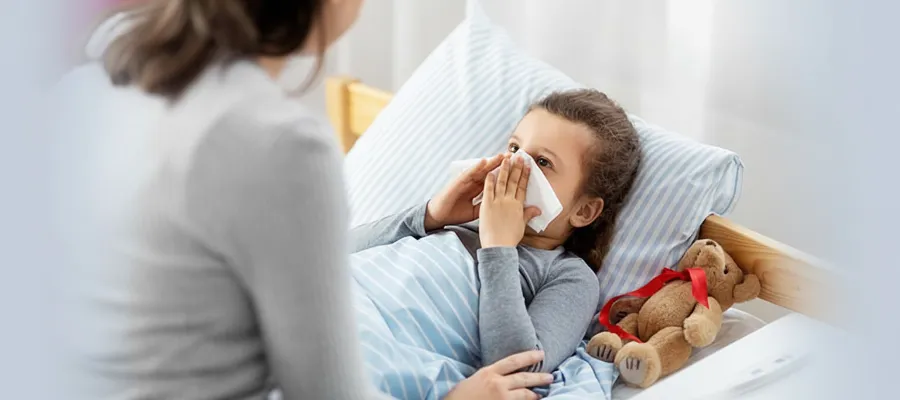
Measles symptoms usually develop gradually, beginning with fever and respiratory complaints similar to influenza. Early signs commonly include fatigue, runny nose, dry cough, and red or watery eyes. Small white spots may later appear inside the mouth. These are called Koplik spots and are considered a characteristic sign of measles. They can become visible before the skin rash develops. After several days, a widespread red rash usually appears. The rash marks the most recognizable stage of the infection. Symptoms should receive medical assessment because measles can cause serious complications.
What Does a Measles Rash Look Like?
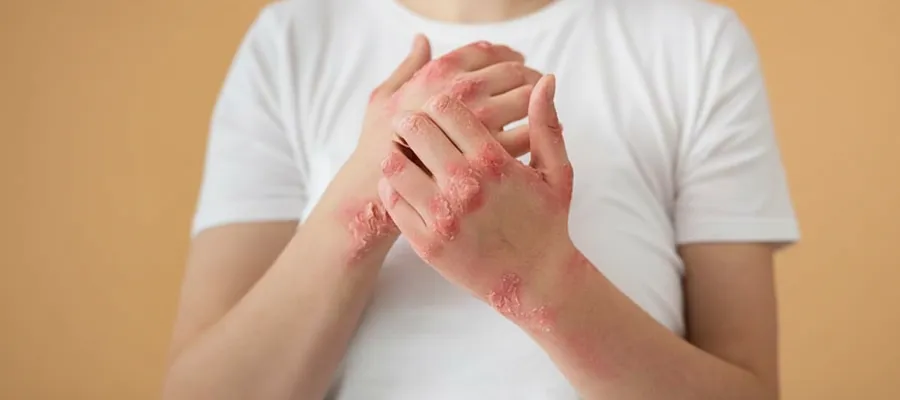
A measles rash appears as widespread red spots that usually begin on the face and hairline. The rash then spreads downward to the neck, chest, trunk, arms, and legs. Individual spots may gradually merge and create larger areas of redness. The lesions are generally flat or slightly raised. Unlike chickenpox, they do not contain fluid-filled blisters. Itching is usually less prominent than in many other rash illnesses. Fever may remain high while the rash spreads. The appearance and distribution of the rash provide important clues during clinical evaluation.
How Long Does Measles Last?
Measles usually lasts between seven and ten days, although full recovery may take up to two weeks. The illness often begins with fever, coughing, nasal discharge, and eye redness. The rash generally develops several days after these initial symptoms. It spreads across the body before gradually fading. Most rashes begin improving within four or five days. Mild peeling or temporary skin discoloration may occur during recovery. Fatigue and coughing can continue after the rash improves. Recovery time varies according to age, immune status, and whether complications develop.
How Long Is the Incubation Period of Measles?
The incubation period of measles is generally between seven and fourteen days after exposure. This period begins when the virus enters the body and ends when symptoms appear. Most people feel completely well during the early incubation stage. The virus continues multiplying even though no visible signs are present. Fever, coughing, runny nose, and eye redness usually develop first. The rash often appears several days after these symptoms begin. Exposure history is important because measles is highly contagious. Anyone with suspected exposure should follow medical and public health guidance.
During Which Period Is Measles Contagious?
Measles is generally contagious from four days before the rash appears until four days afterward. The virus spreads easily through respiratory droplets and airborne particles. Coughing, sneezing, talking, and breathing can release infectious particles into the environment. The virus may remain in enclosed spaces after an infected person leaves. People can spread measles before realizing they have the disease. Isolation is therefore essential when infection is suspected. Patients should avoid school, work, public transport, and close contact. Local health authorities may provide additional isolation and contact-tracing instructions.
How Does Measles Progress in Babies?
Measles may progress more severely in babies because their immune systems are still developing. The illness can cause high fever, widespread rash, coughing, nasal discharge, and significant tiredness. Babies may also become irritable or feed less than usual. Dehydration can develop when fever and poor feeding occur together. Pneumonia and middle ear infections are more common complications in this age group. Babies who are too young for routine vaccination may be especially vulnerable. Suspected measles in an infant requires prompt medical assessment and careful monitoring.
What Are the Symptoms of Measles in Adults?
Measles symptoms in adults often include high fever, severe fatigue, dry cough, runny nose, and red eyes. Adults may experience stronger symptoms than children. Headache, muscle pain, poor appetite, and general weakness can be particularly noticeable. Koplik spots may appear inside the mouth before the rash develops. The rash usually begins on the face and spreads downward across the body. Individual spots may merge into larger red areas. Adults also have a higher risk of complications, including pneumonia. Medical evaluation is important when measles exposure or symptoms are suspected.
Is Measles Dangerous During Pregnancy?
Yes, measles during pregnancy can create serious risks for both the mother and the developing baby. Infection may cause high fever, respiratory symptoms, dehydration, and significant weakness. Pregnancy complications can include miscarriage, premature birth, or restricted fetal growth. The risk may vary according to pregnancy stage and illness severity. Anyone who is pregnant and exposed to measles should seek urgent medical advice. The measles vaccine is not administered during pregnancy because it contains a live weakened virus. Immunity should ideally be reviewed before pregnancy begins.
How Is Measles Diagnosed?
Measles is diagnosed through symptoms, exposure history, physical examination, and laboratory confirmation when necessary. Fever, coughing, runny nose, red eyes, Koplik spots, and a spreading rash support the diagnosis. Doctors also review vaccination history and recent contact with infected individuals. Several other viral illnesses can cause similar symptoms. Laboratory testing may therefore be required to confirm infection. Early diagnosis supports appropriate isolation and contact tracing. Patients should contact healthcare services before arriving because measles can spread easily in waiting areas.
Which Tests Are Performed for Measles?
Measles testing commonly includes blood tests and samples collected from the throat, nose, or urine. Blood testing may identify IgM and IgG antibodies produced against the measles virus. Molecular testing can detect viral genetic material in respiratory samples. Throat or nasopharyngeal swabs are often most useful when collected early. Urine samples may also support laboratory confirmation in selected cases. Test timing can affect the accuracy of results. Doctors interpret laboratory findings alongside symptoms, vaccination history, and exposure information. Additional tests may be needed when complications are suspected.
Differences Between Measles and Rubella
Measles and rubella are different viral infections, although both can cause fever and a widespread rash. Measles usually causes higher fever, stronger fatigue, coughing, nasal discharge, and red eyes. Koplik spots may appear inside the mouth before the measles rash. Rubella often causes milder symptoms and a shorter-lasting rash. Swollen lymph nodes are more commonly associated with rubella. Both infections can create pregnancy-related concerns, although their risks differ. Clinical appearance alone may not always separate them. Laboratory testing can provide a more reliable diagnosis.
Differences Between Measles and Chickenpox
Measles and chickenpox produce different types of skin rashes and usually follow different patterns. The measles rash consists of red, flat, or slightly raised spots. It generally begins on the face and spreads downward. Chickenpox causes itchy, fluid-filled blisters that appear in several stages. New blisters may develop while older lesions are crusting. Measles lesions usually progress at a similar stage and may merge together. Chickenpox itching is generally more intense. Fever and respiratory symptoms are often more prominent before a measles rash appears.
How Is Measles Treated?
Measles treatment mainly focuses on relieving symptoms, preventing dehydration, and monitoring for complications. There is no standard antiviral treatment for most uncomplicated cases. Rest, sufficient fluids, and appropriate nutrition support the body during recovery. A doctor may recommend suitable medicine for fever or discomfort. Antibiotics do not treat the measles virus. They may only be used when a bacterial complication develops. Vitamin A may be recommended for some children under medical supervision. Patients should remain isolated during the contagious period and receive urgent care when serious symptoms appear.
How Can Fever Be Reduced During Measles?
Measles fever can be managed with fluids, rest, suitable clothing, and doctor-recommended fever medicine. Body temperature should be checked regularly, especially in young children. Dehydration must be prevented because high fever increases fluid loss.
Helpful fever-management measures include:
- Offering water and other suitable fluids frequently
- Encouraging sufficient rest
- Using a lukewarm shower
- Applying a lukewarm compress
- Giving paracetamol when medically recommended
- Monitoring body temperature regularly
- Avoiding aspirin in children and teenagers
Persistent fever, breathing difficulty, confusion, or severe weakness requires prompt medical evaluation.
What Helps Soothe a Measles Rash?
Measles rashes usually improve without special treatment as the viral infection resolves. Keeping the skin clean and avoiding irritation can support comfort. Scratching should be discouraged because it may damage sensitive skin.
Helpful skin-care measures include:
- Keeping the skin clean
- Avoiding harsh soaps and fragranced products
- Wearing loose and comfortable clothing
- Using a mild moisturizer when appropriate
- Using anti-itch products only with medical advice
- Avoiding scratching or rubbing the rash
- Monitoring for unusual swelling or infection
A worsening rash, breathing difficulty, or severe skin pain requires medical assessment.
How Should a Child with Measles Eat?
A child with measles should eat light, nutritious foods and drink enough fluids throughout the illness. Appetite may decrease because of fever, fatigue, coughing, or mouth sensitivity. Small and frequent meals may be easier to tolerate. Soups, vegetables, fruit, yogurt, and soft foods can support energy intake. Very hot, spicy, or acidic foods may irritate sensitive areas inside the mouth. Food should never be forced when the child feels nauseated. Preventing dehydration is more urgent than maintaining normal meal portions. Medical advice is needed when eating and drinking become difficult.
Why Is Drinking Plenty of Fluids Important During Measles?
Drinking enough fluids is essential because measles can cause dehydration through fever, sweating, and reduced appetite. Children may drink less when coughing or mouth discomfort develops. Water, soups, and other suitable fluids can help maintain the body’s fluid balance. Regular fluid intake may also support temperature control and general recovery. Small amounts offered frequently can be easier to tolerate. Reduced urination, dry mouth, sunken eyes, or unusual sleepiness may indicate dehydration. Babies and young children can deteriorate quickly. Medical assessment is necessary when adequate fluid intake cannot be maintained.
Does Measles Go Away on Its Own?
Measles often resolves as the immune system controls the virus, but medical monitoring remains important. Most uncomplicated cases improve within one or two weeks. Rest, hydration, nutrition, and fever management support recovery. However, measles should not be considered a harmless illness. Pneumonia, ear infections, dehydration, and neurological complications can develop. Babies, pregnant patients, adults, and immunocompromised individuals face greater risks. Medical advice should be obtained when measles is suspected. Breathing difficulty, confusion, severe weakness, or persistent fever requires urgent evaluation.
How Long Does Measles Last?
Measles commonly lasts between seven and ten days, while fatigue or coughing may continue longer. The illness usually starts with fever and upper respiratory symptoms. A red rash appears after several days and spreads from the face downward. The rash may continue spreading for four or five days before fading. Temporary discoloration or mild peeling can remain as the skin recovers. Most people feel significantly better within one or two weeks. Recovery may take longer when pneumonia, ear infection, or another complication develops.
What Does a Measles Rash Look Like?
A measles rash appears as widespread red spots that often merge into larger areas. It commonly begins near the hairline and face. The rash then spreads to the neck, trunk, arms, and legs. Measles lesions are usually flat or slightly raised. They do not form fluid-filled blisters like chickenpox. Most spots develop at a similar stage. The rash may darken temporarily before fading. Mild peeling can occur during recovery. Fever often remains high as the rash spreads, which helps distinguish measles from some milder rash illnesses.
Can Someone Get Measles More Than Once?
People who recover from measles usually develop long-lasting, often lifelong immunity against the virus. The immune system produces a strong response after natural infection. A second confirmed measles infection is therefore extremely uncommon. However, other viral illnesses can cause similar fever and rash symptoms. A later illness should not automatically be assumed to be measles. Vaccination also provides strong and long-term protection for most people. Anyone with suspected symptoms should receive medical assessment, especially after known exposure or during an outbreak.
Is Measles a Dangerous Disease?
Yes, measles can become a serious disease, especially in babies, adults, and people with weakened immunity. Common complications include middle ear infection, dehydration, and pneumonia. Rarely, inflammation of the brain can occur and cause seizures or neurological damage. Pregnant patients may face additional risks. Even previously healthy individuals can experience severe illness. The risk of complications increases when nutritional status or immunity is poor. Vaccination remains the most effective preventive method. Suspected cases require medical guidance, isolation, and careful monitoring for warning signs.
Are Antibiotics Used to Treat Measles?
Antibiotics do not treat measles because the disease is caused by a virus. Using antibiotics unnecessarily does not shorten the illness or eliminate the measles virus. These medicines may also cause side effects and contribute to antibiotic resistance. A doctor may prescribe antibiotics only when a bacterial complication develops. Examples include bacterial pneumonia or certain middle ear infections. Routine care focuses on hydration, rest, nutrition, and symptom control. Patients should never start leftover antibiotics without medical advice. Worsening respiratory symptoms or persistent fever should be evaluated promptly.
At What Age Is the Measles Vaccine Given?
The measles vaccine is generally administered during childhood as part of a routine vaccination program. According to the provided text, the first routine dose in Türkiye is given at 12 months. A second dose is administered later to strengthen and extend protection. The vaccine is usually given as part of a combined vaccine containing measles protection. Exact schedules can change according to national health guidance or outbreak conditions. Parents should follow the current vaccination calendar provided by healthcare authorities. Completing every recommended dose offers stronger protection than receiving only one dose.
Does the Measles Vaccine Provide Lifelong Protection?
Two doses of a measles-containing vaccine provide strong and long-lasting protection for most people. Immunity often continues for many years and may remain lifelong. However, no vaccine provides complete protection for every individual. A small number of vaccinated people may still become infected after significant exposure. Their illness may be milder than in unvaccinated individuals. Completing both recommended doses is important because one dose provides lower protection. People with uncertain vaccination records should seek professional guidance. Additional recommendations may apply during outbreaks, travel, or occupational exposure.